
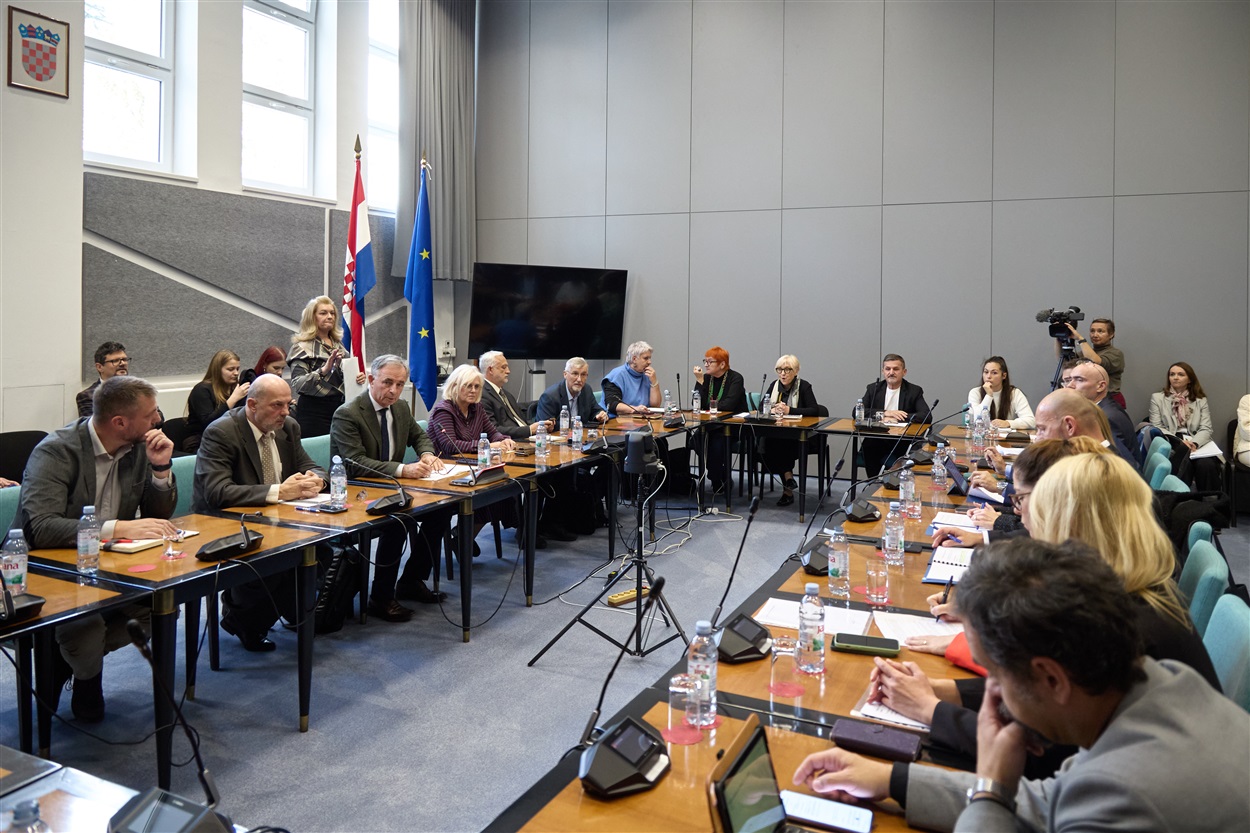
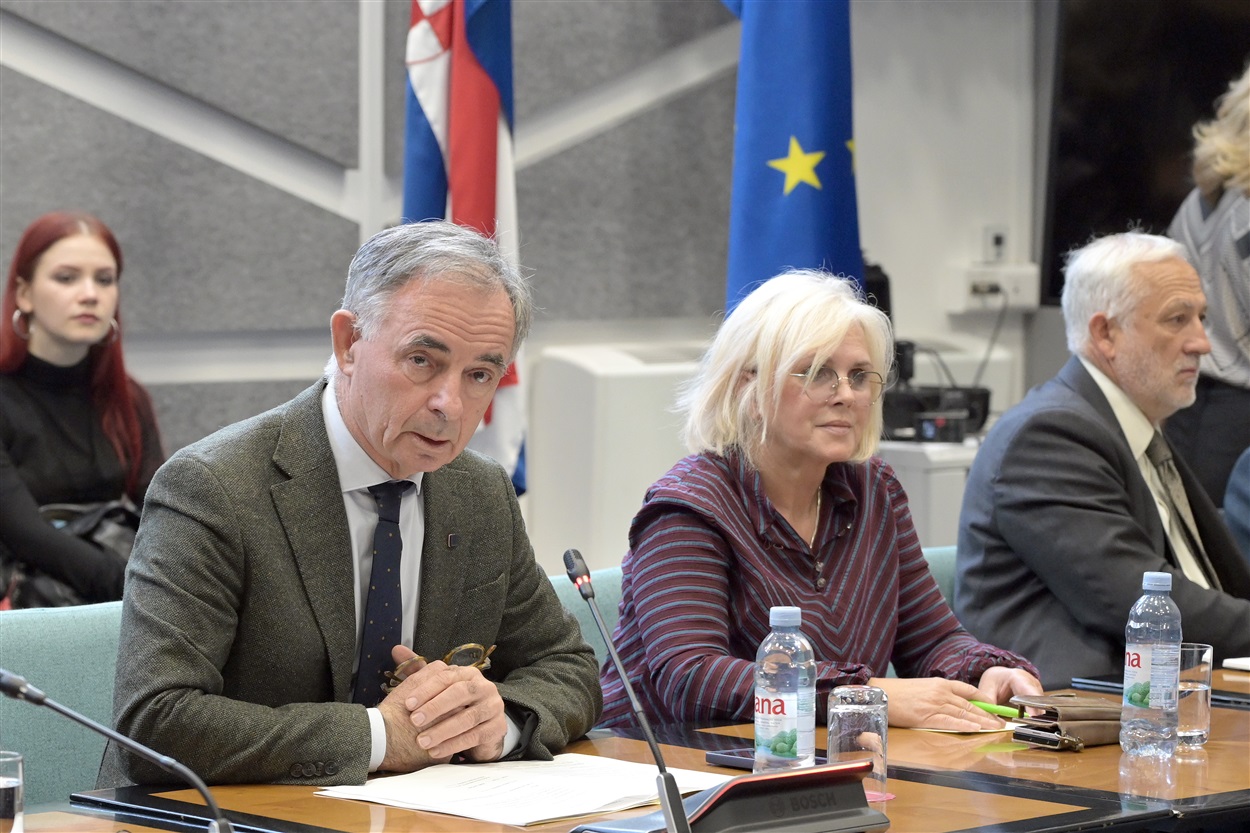
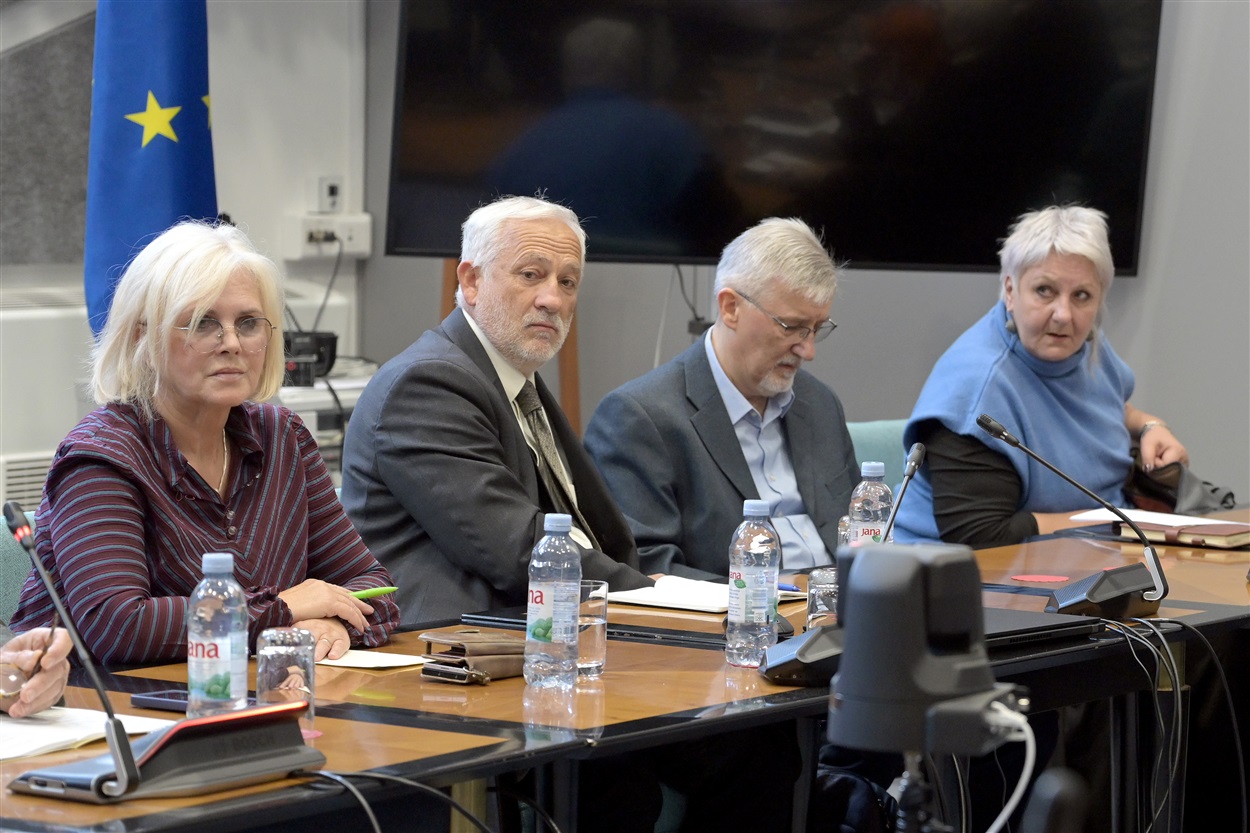
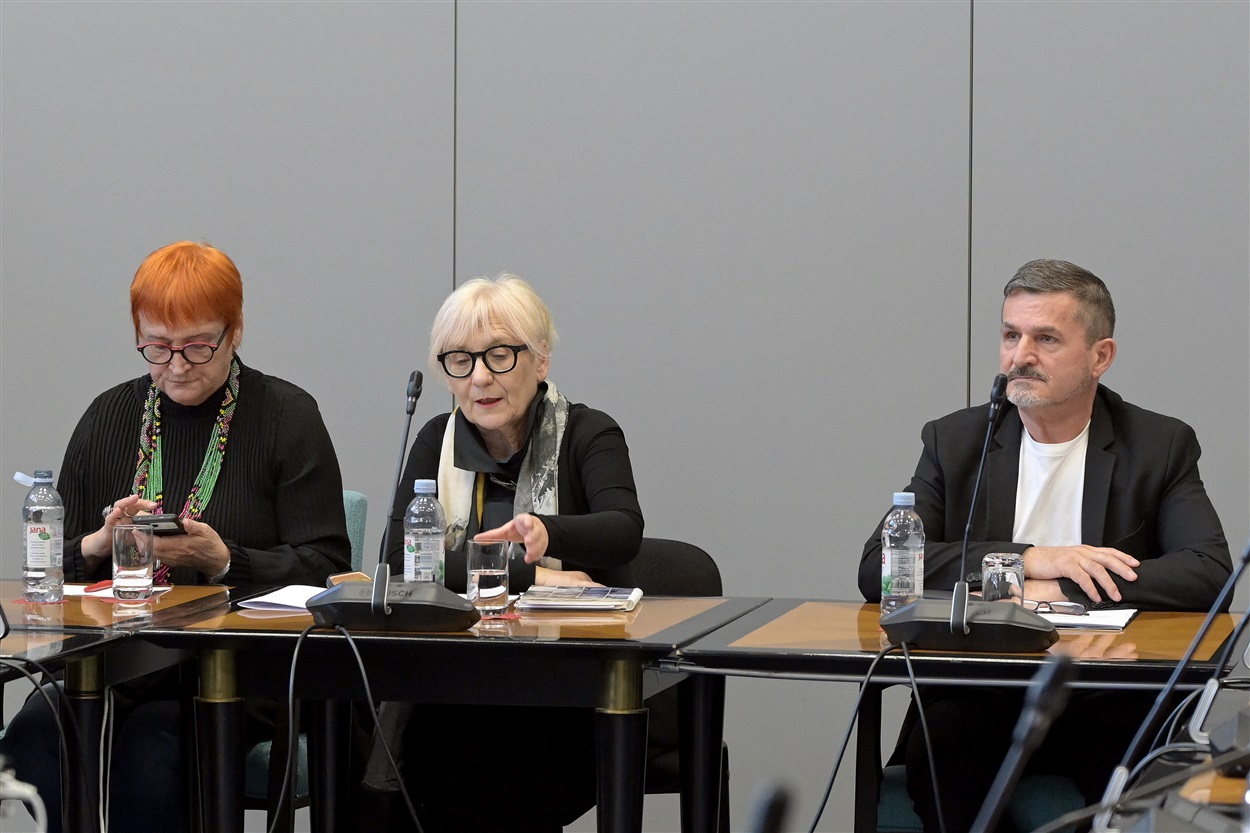
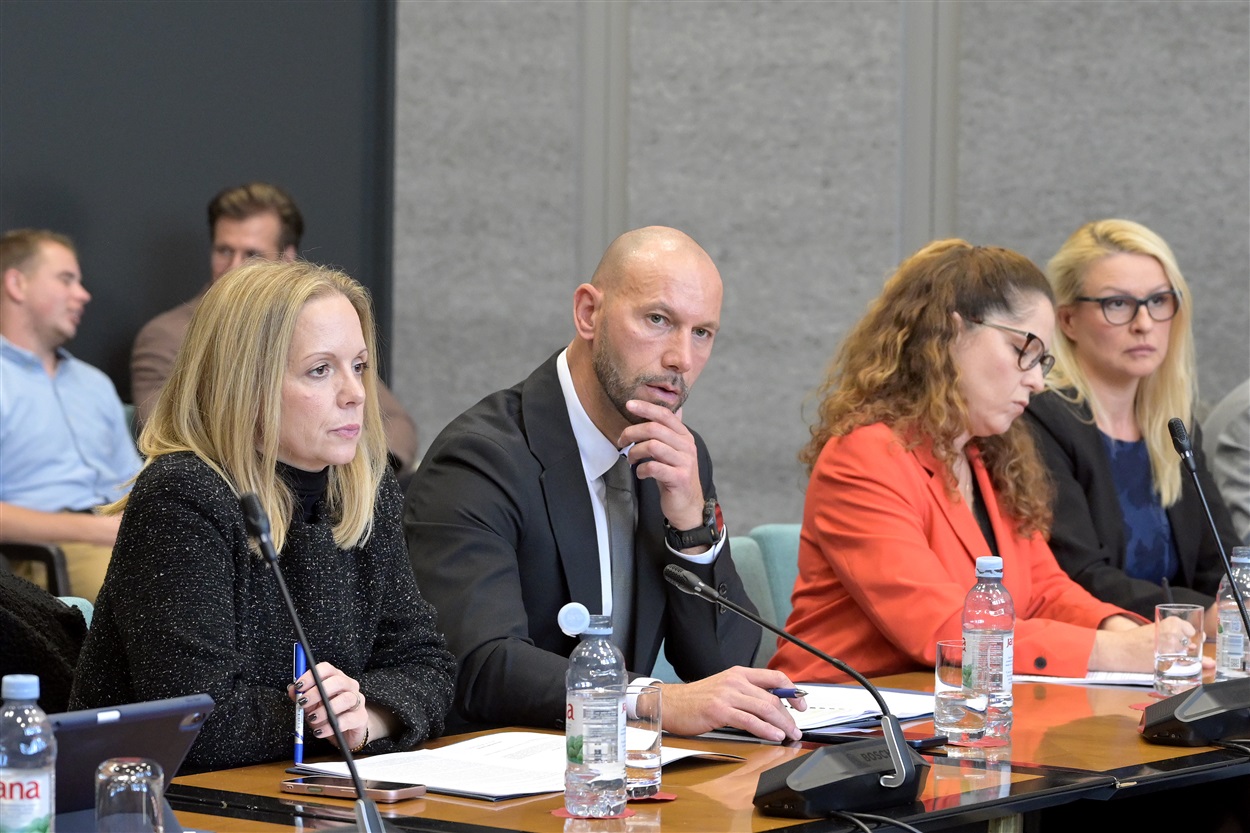

Zagreb - Croatia recorded 79 hate crimes in the first nine months of this year, surpassing last year's total of 75, while two-thirds of criminal offences involving public incitement to violence and hatred occur online, MPs heard on Tuesday.
The internet and social media have become platforms for intolerance, with nationality and race among the main motives for hate crimes, a parliamentary Committee on Human and National Minority Rights was told.
Ombudswoman Tena Šimonović Einwalter called for motives to be investigated from the moment an offence is reported. In attacks on foreign workers or delivery couriers, she asked, should investigators focus solely on theft, or also consider whether victims were targeted because of who they are?
She noted that hate speech extends beyond illegal acts to conduct described as "awful but lawful", that is, behaviour deserving condemnation but not necessarily legal sanctions, in order to protect freedom of expression.
She also highlighted the under-reporting of hate crimes, as victims and witnesses often fear further exposure during legal proceedings.
"We must change this. Consistently punish hate speech and hate crimes, stop the normalisation of hatred in public life, and ensure that the police, State Attorney's Office and courts recognise hate motives, act promptly and apply the relevant provisions consistently," she said.
Habijan: Serious hooliganism now carries criminal liability
Justice Minister Damir Habijan said amendments to the Criminal Procedure Act had ensured that authorities assess the individual needs of hate-crime victims, including the risk of repeat victimisation, intimidation or retaliation during proceedings.
He added that serious forms of hooliganism had been moved from the domain of misdemeanours to criminal liability. These include fighting and attacks on other spectators, with courts able to ban offenders from attending specific sporting events.
Recent events in Split, where members of the Torcida supporters' group chanted antisemitic slogans, raised serious concerns about the social climate and the gradual normalisation of hate speech, said Iris Goldner Lang, a professor at the University of Zagreb's Faculty of Law.
"Regardless of the group targeted, the pattern is similar: a division is created between us and them," she warned.
She called for education on the history of antisemitism, contemporary discrimination, stereotypes and prejudice to be incorporated into classroom and extracurricular activities.
"We must do everything we can to avoid becoming a society of bystanders, where hate speech is tolerated, met with indifference or socially accepted," she said.
The committee also discussed prevention and education alongside sanctions. Deputy Children's Ombudswoman Tatjana Holjevac said efforts should promote digital literacy and responsible online behaviour, while teaching adults to recognise online abuse.
Pupovac: Politicians cannot evade responsibility for spreading hatred
"Effective protection cannot rest solely with schools; sustained cooperation is needed across education, the police, the justice system, social welfare and other sectors," she added.
Over the past four years, the Government Office for Human Rights and the Rights of National Minorities, together with the Judicial Academy, has trained around 200 judges, police officers and deputy state attorneys.
"It is important to teach children socially acceptable behaviour from an early age. Being different is never a reason to attack someone," said office head Alen Tahiri.
Milorad Pupovac, an MP representing the national minorities' parliamentary group, said some politicians could not escape responsibility for spreading hatred and intolerance.
"Some of us are part of a spiral in which the politics of fear, hatred and prejudice have become dominant features and purposes of political activity, contaminating the public political sphere," he said.