
Zagreb - Croats living in 12 European countries, where they are a national minority, do not have anywhere near the same rights as the 22 national minorities in Croatia, and without the support of the government and the financial assistance they receive, they would struggle to survive, it was said in Parliament on Thursday.
The parliamentary Committee for Croats Abroad today held a thematic session that was attended by representatives of Croats from 12 countries where they have minority status. The largest community is in Serbia, with around 39,000 Croats, while the smallest is in Kosovo, with only 180.
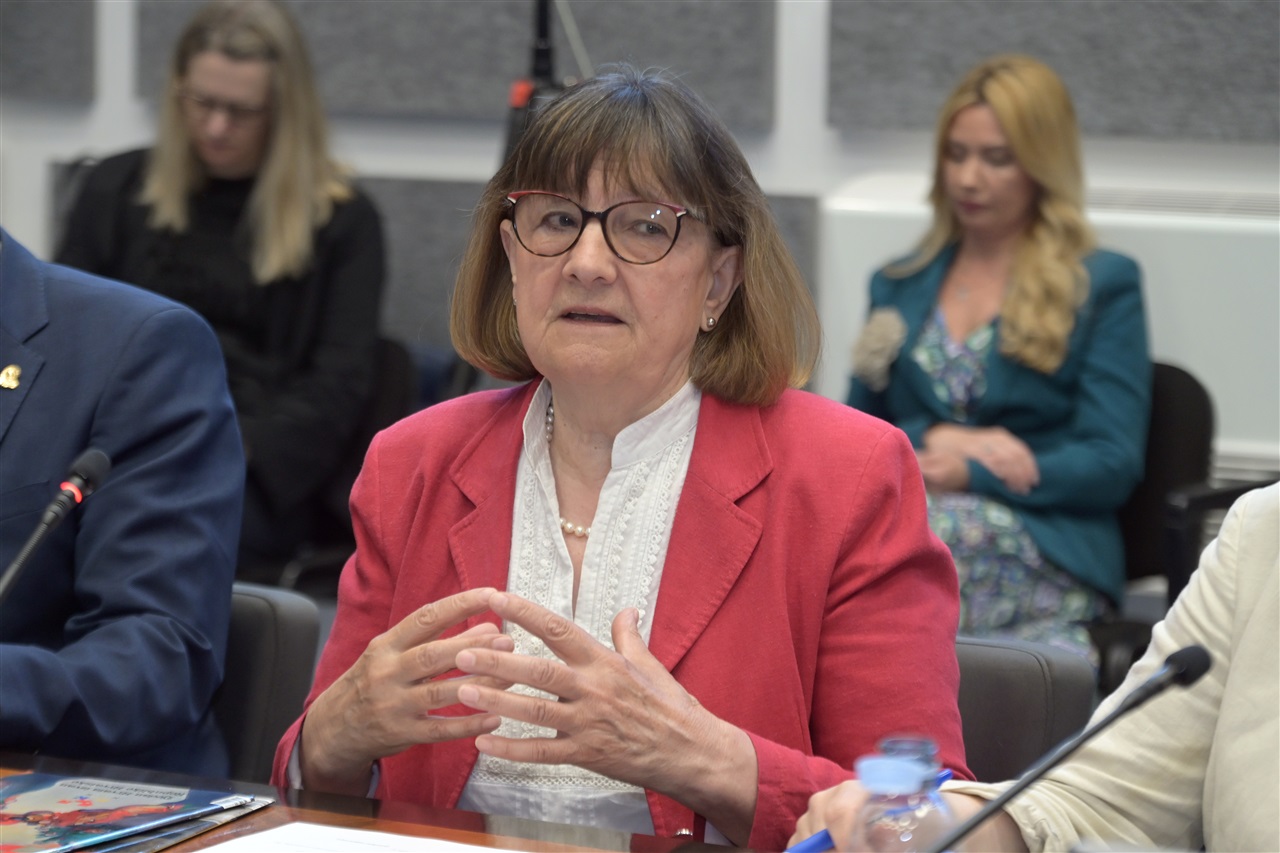
Regarding the funding of their activities, it varies from country to country, but in general the resources are insufficient for the Croatian minority in those states to grow and develop, said Jasna Vojnić, a committee member who initiated the session.
“That is why Croatia invests such significant funds and increases them year after year, and I believe that the government of Andrej Plenković has shown great care for the Croatian national minority in these 12 countries, both in terms of capital projects and individual needs expressed by each community,” Vojnić said.
State Secretary at the Ministry of Foreign Affairs Frano Matušić stressed that Croatia’s Constitution recognises 22 national minorities, and that there is a Constitutional Law on the Rights of National Minorities, which provides extensive opportunities for funding and political representation.
“There are eight guaranteed seats in the Parliament, including three for the Serbian national minority, which is also the largest, and five additional seats for all other minorities, with full voting rights on all issues. In that sense, I believe we have achieved the highest standard in the EU. If all EU countries, not just these 12, applied these standards, we would be having a very different discussion today and a very different situation,” Matušić said.
Piuković: Croats have no representative in Serbian parliament; Gugan: Minorities are not a priority in Hungary
Representatives of Croats from the 12 countries also confirmed the challenges they face in their home states. Marin Piuković from the Croatian community in Serbia said that Croats have no representative in the National Assembly.
“We all know that an intergovernmental agreement was signed, but it has still not been implemented. There will be parliamentary elections this year, and Croats will again not be represented because reaching the threshold under the same conditions as others is almost impossible for us,” Piuković said.
Milan Bošnjak from the Central State Office for Croats Abroad responded that, despite their inquiries and requests for an informal meeting, no response had been received from Serbia.
Matušić, who also serves as coordinator for outstanding issues with Serbia, said that Croatia had fulfilled all obligations under the agreement and added that the issue was also linked to Serbia’s EU accession process.
“These issues must be resolved before the negotiations are concluded; this is one of the benchmarks, and we will certainly insist on full implementation of the agreement,” Matušić said.
In the Hungarian parliament, Croat Ivan Gugan won a seat in the recent elections, but he expressed concern that, due to major changes in the country, minorities were not a priority and that the new prime minister had not mentioned minorities in any of his speeches.
Matušić responded that he saw encouraging signals from Hungary and expected constructive cooperation from the new prime minister.
Although a significant number of autochthonous Croats also live in Slovenia, they are not recognised as a national minority and therefore lose out significantly in terms of rights, said Stjepan Šimunić from the Union of Croatian Societies in Slovenia.
Bušić: We need some form of reciprocity that does not exist
Committee chair Zdravka Bušić said that claims from the Slovenian side that Croats there are not autochthonous are incorrect, and that Slovenia must “do its homework”.
“Perhaps this is not entirely appropriate to say, but I would really like to compare once how much funding our national minorities receive, and how much the Croatian national minority receives in all countries. We need some form of reciprocity, which currently does not exist,” Bušić said.
The situation is also difficult in Austria, especially for the Burgenland Croats, who are fighting to preserve their language and mother-tongue education, and their representatives appealed for Austrian authorities to be introduced to Croatia’s minority model.
Conditions are no better in Kosovo or North Macedonia, nor in other countries where Croats do not have recognised minority status, it was said.
Foreign Affairs Committee chair Andro Krstulović Opara (HDZ) noted that no opposition members attended the session, except DOMiNO.
“Others were absent, and those who were absent often say, when it comes to political issues, that those who do not pay taxes in Croatia should not vote in presidential elections. What is that if not cutting you out of Croatia’s political fabric? I think no conclusion is needed – it is clear who stands with you and who will abandon you at the first opportunity,” Krstulović Opara said.