
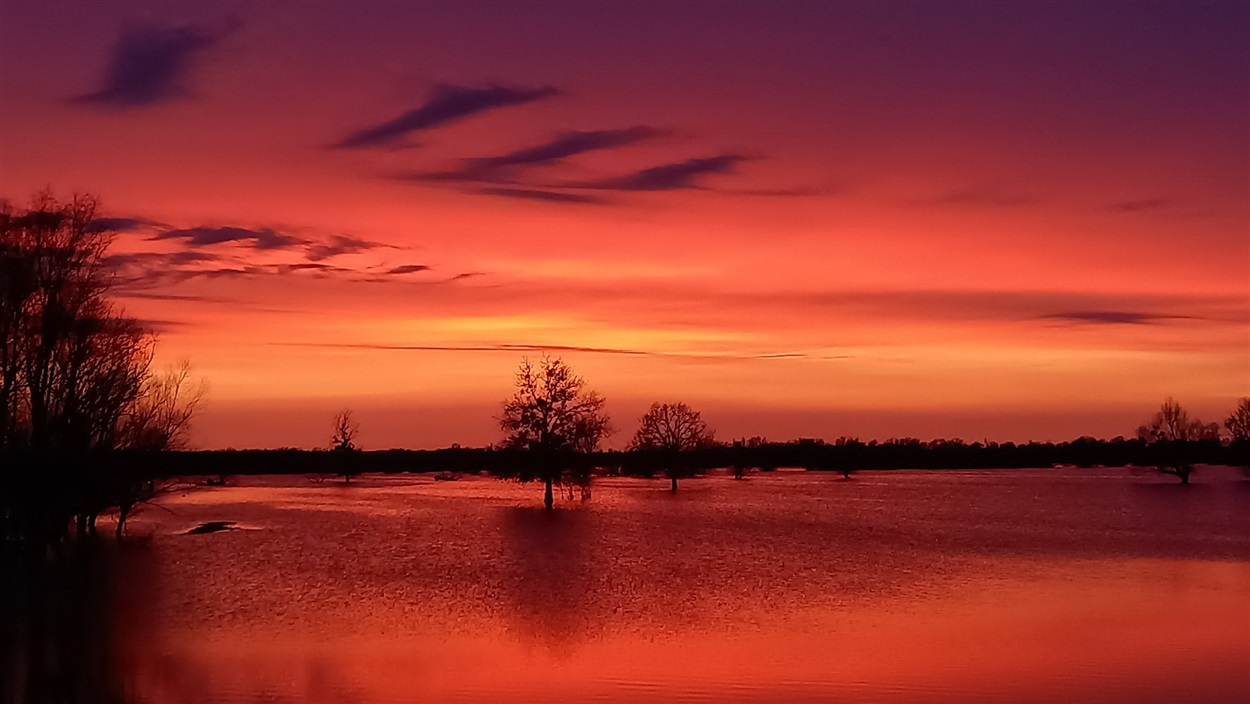
Zagreb - World Wetlands Day is marked to raise public awareness of the importance of conserving these valuable ecosystems, which are relatively well preserved in Croatia, although some habitats and species show less favourable trends, the Environment and Green Transition Ministry has said.
Croatia has nearly 3,900 identified wetland sites and 11 large wetland complexes covering more than 800,000 hectares, mostly in the floodplains of major rivers. Five areas - Kopački Rit, Lonjsko and Mokro Polje, the lower Neretva River, Crna Mlaka fishponds and Lake Vrana near Biograd - are internationally protected under the Ramsar Convention.
Much of Croatia’s wetland area is covered by the EU’s Natura 2000 network, with some sites also protected nationally as special reserves or nature parks, including Lonjsko Polje, Kopački Rit and parts of the Neretva delta, providing long-term protection and sustainable management.
While some wetlands, such as reed beds along major rivers and carp fishponds, remain well preserved, the ministry said certain habitats and species show negative trends. Restoration measures are under way at many sites, including mowing, removal of woody vegetation and reintroduction of characteristic plant species.
The ministry is implementing and preparing projects focused on wetland conservation and restoration, including removing barriers in waterways, reconnecting natural river flows, restoring natural flooding of drained floodplains, and rehabilitating peatland and grassland wetlands. These measures help protect biodiversity and increase resilience to climate change.
World Wetlands Day has been observed on 2 February since 1971. This year’s focus is on the relationship between people and nature, highlighting the role of traditional knowledge and local customs in conservation. The global framework for wetland protection is provided by the Ramsar Convention.
Wetlands cover an estimated 12.1 million square kilometres - about 6% of the Earth’s land surface - and play a key role in biodiversity conservation, water supply, flood mitigation and climate regulation, storing about 12% of global carbon. They also safeguard drinking water by storing and purifying much of the world’s freshwater.
The ministry warned that more than 30% of the world’s wetlands have been destroyed by human activity over the past 50 years, although restoration efforts are increasing. In Croatia, wetlands have shaped local ways of life for centuries, with floodplains, fishponds and coastal salt pans illustrating the link between tradition, economic activity and nature conservation.