
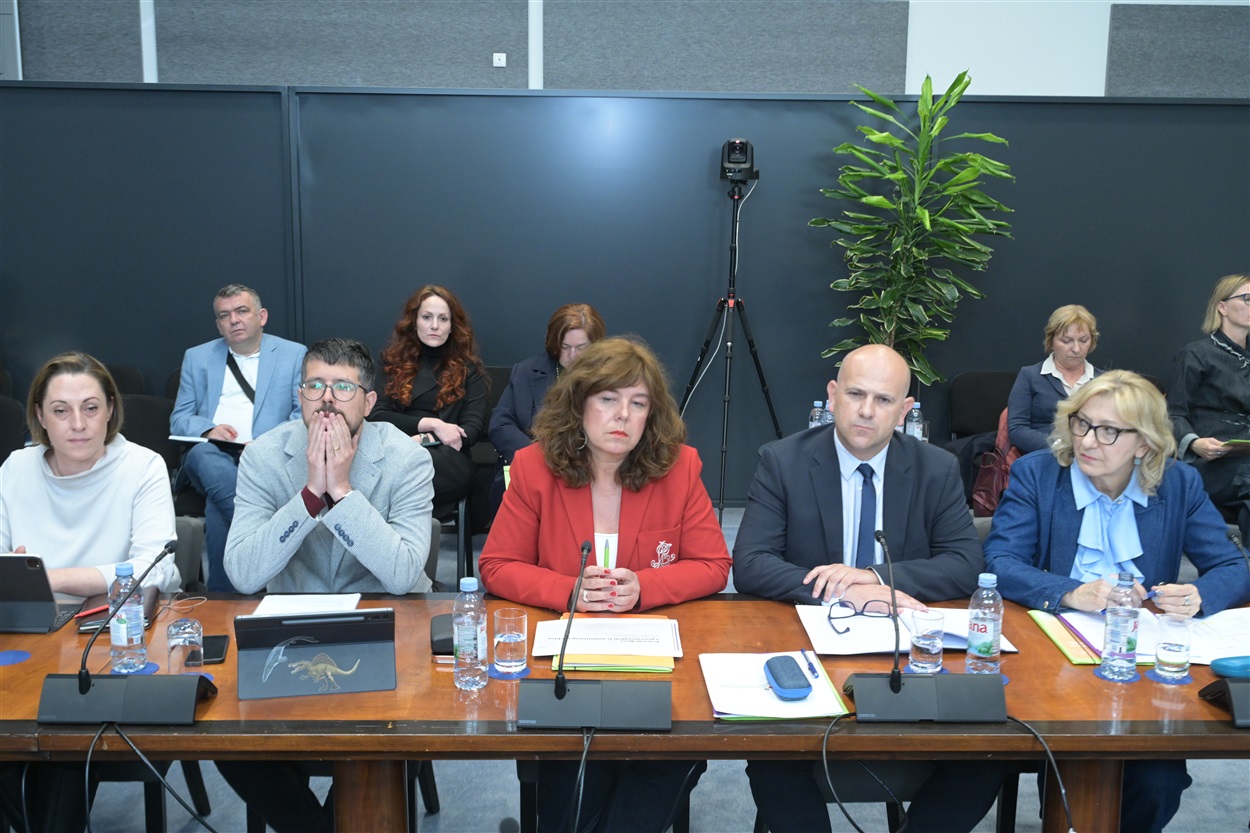
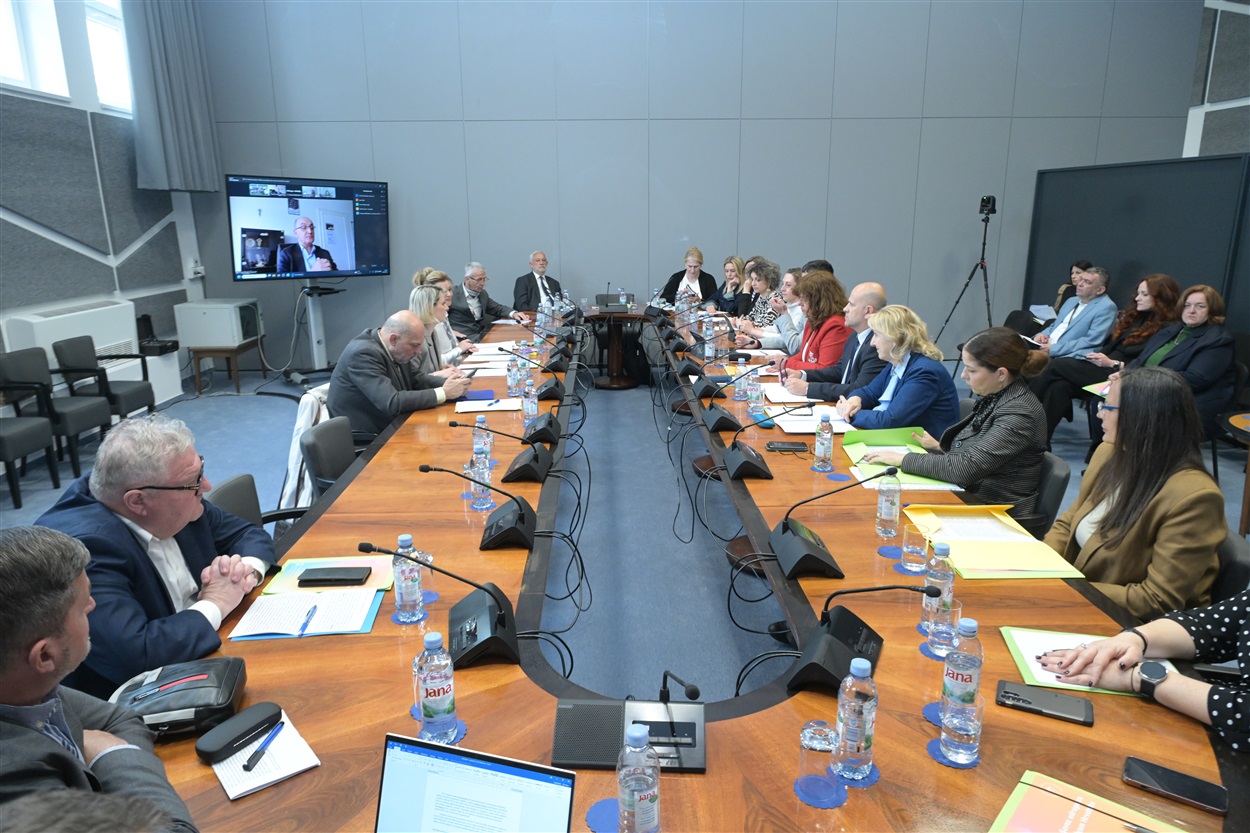
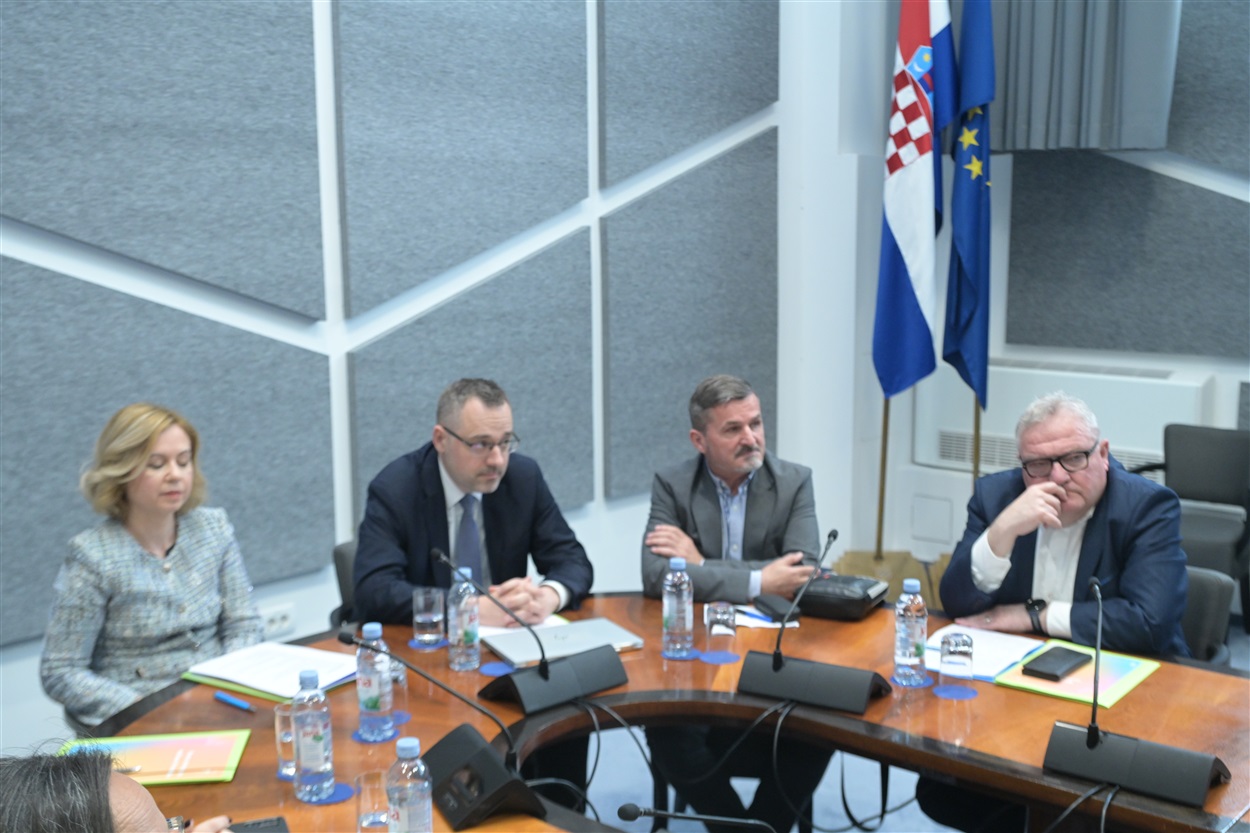
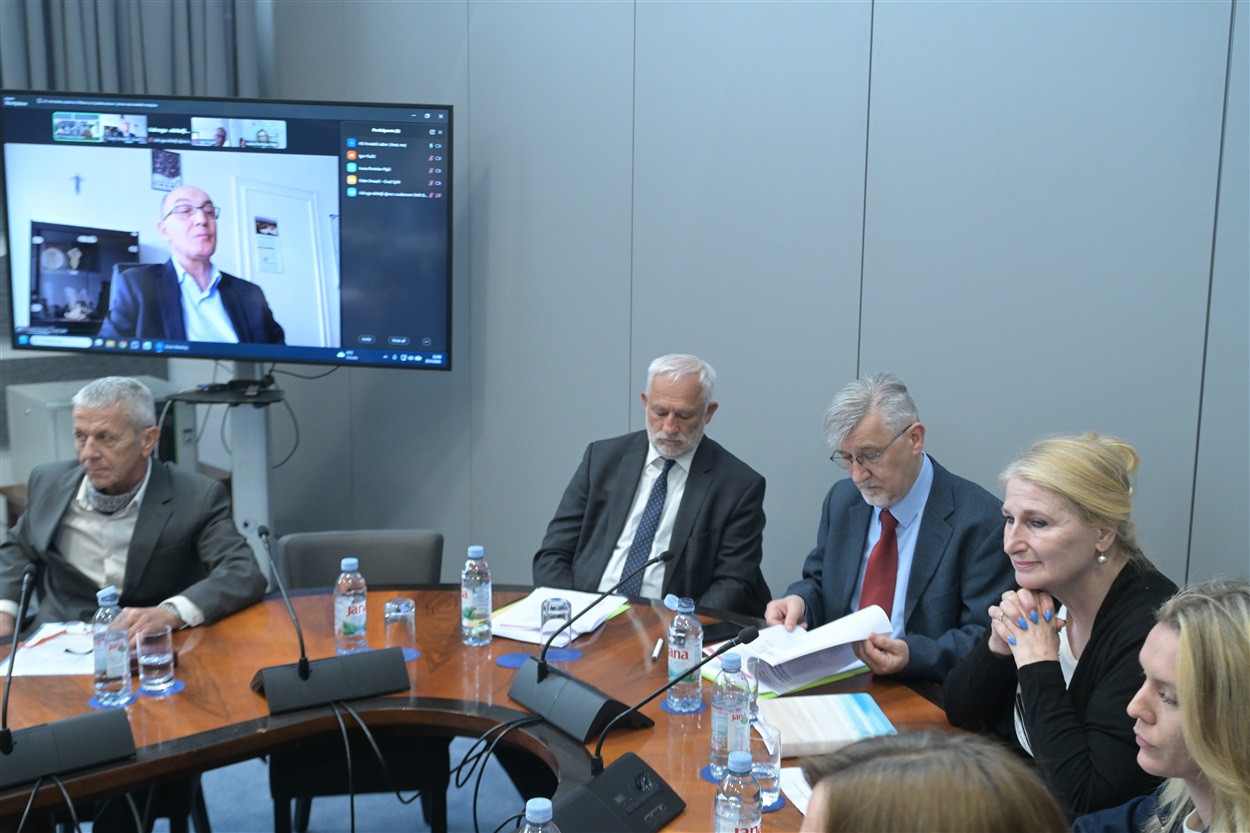
Zagreb - Participants in a roundtable held on Wednesday by the Parliament’s Committee on Human Rights and Rights of National Minorities warned that the system has failed people with autism, leaving many individuals and their families to fend for themselves, and urged the adoption of a National Autism Plan.
The general conclusion of the roundtable, which brought together ombudsmen, representatives of relevant ministries, associations and parents of people with autism, was that the core problem is a system that does not provide a sufficient level of support to individuals diagnosed with autism.
It was heard that all progress achieved so far has come thanks to associations and the persistence of parents.
A particular concern, it was emphasised, is that the system effectively ceases to recognise individuals with autism after the age of 21, leaving them entirely on their own.
The Ombudsman for Persons with Disabilities, Darijo Jurišić, stated that just over 7,000 people with autism live in Croatia, and recalled that as early as 2016 there was talk of a National Early Intervention Plan, yet ten years later nothing has been implemented.
“Early intervention is unsystematic, social or healthcare services are provided on an ad hoc basis... and professional standards are uneven,” Jurišić said.
Isolation after age 21
He added that at the age of 21 the system effectively abandons these individuals. They are left isolated, without activities or prospects, and instead of continuous support there is regression – due to the lack of a system that would follow a person with autism throughout their entire life.
Jurišić proposed establishing at least four regional specialised autism centres that would integrate healthcare, rehabilitation and psychosocial programmes, adapted educational content, and emergency residential care capacity for individuals with severe forms of autism.
The Ombudsman for Children, Tatjana Katkić Stanić, particularly warned about late diagnosis and the lack of inter-sectoral cooperation, where institutions shift responsibility onto one another.
“Parents often spend years navigating the system before receiving a first diagnosis. Early signs are visible before the age of three, but diagnosis is usually delayed. There is no unified diagnostic protocol,” she said.
The Public Ombudsman, Tena Šimonović Einwalter, said this is a human rights issue and that it is the state’s responsibility to systematically address the major problems faced by people with autism.
Professor Jasmina Stošić from the Faculty of Education and Rehabilitation Sciences emphasised that despite improved diagnostics, support remains centralised and without a unified protocol. She also warned about staff shortages and healthcare that is not adapted to real needs.
Parents also shared their experiences at the roundtable.
The president of the Federation of Autism Associations, Lidija Penko, herself the mother of a girl with autism, said there have been some improvements but that the number of children with autism is increasing and the system is failing to recognise this.
“All we as parents want is a dignified life for our children, who are citizens of this country like everyone else. And to be able to close our eyes peacefully one day, knowing our children are in safe hands. That is every parent’s nightmare – what will happen to them when we are no longer here?” Penko said.
Neda Ujević, president of the Rubikon association, said parents are often “the invisible pillars of the entire system”. “Parents are not and must not be a substitute for the system. The system still too often relies on parents to make up for what institutions fail to provide.. That is neither sustainable nor fair,” she said.
Representatives of the Ministry of Science and Education and the City of Zagreb also participated, highlighting progress and increased investment in accommodation capacities and staff.
Sanja Bježančević, SDP deputy and vice-chair of the committee, concluded that an urgent systematic model for adult diagnosis must be established, along with inter-sectoral cooperation and a redefinition of autism centres. She also announced that the committee will continue to “pressure ministries to establish a clear action roadmap”.