
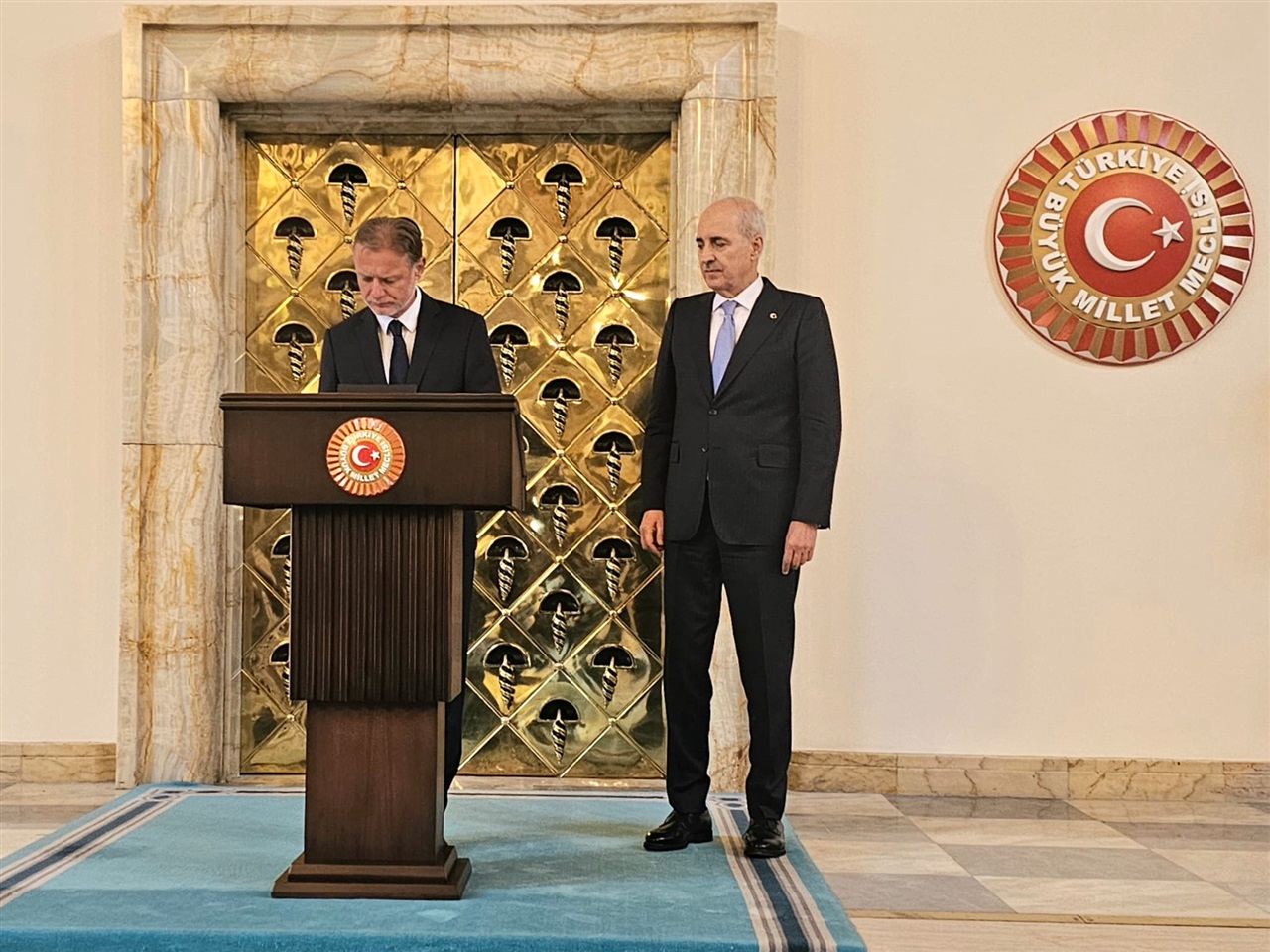
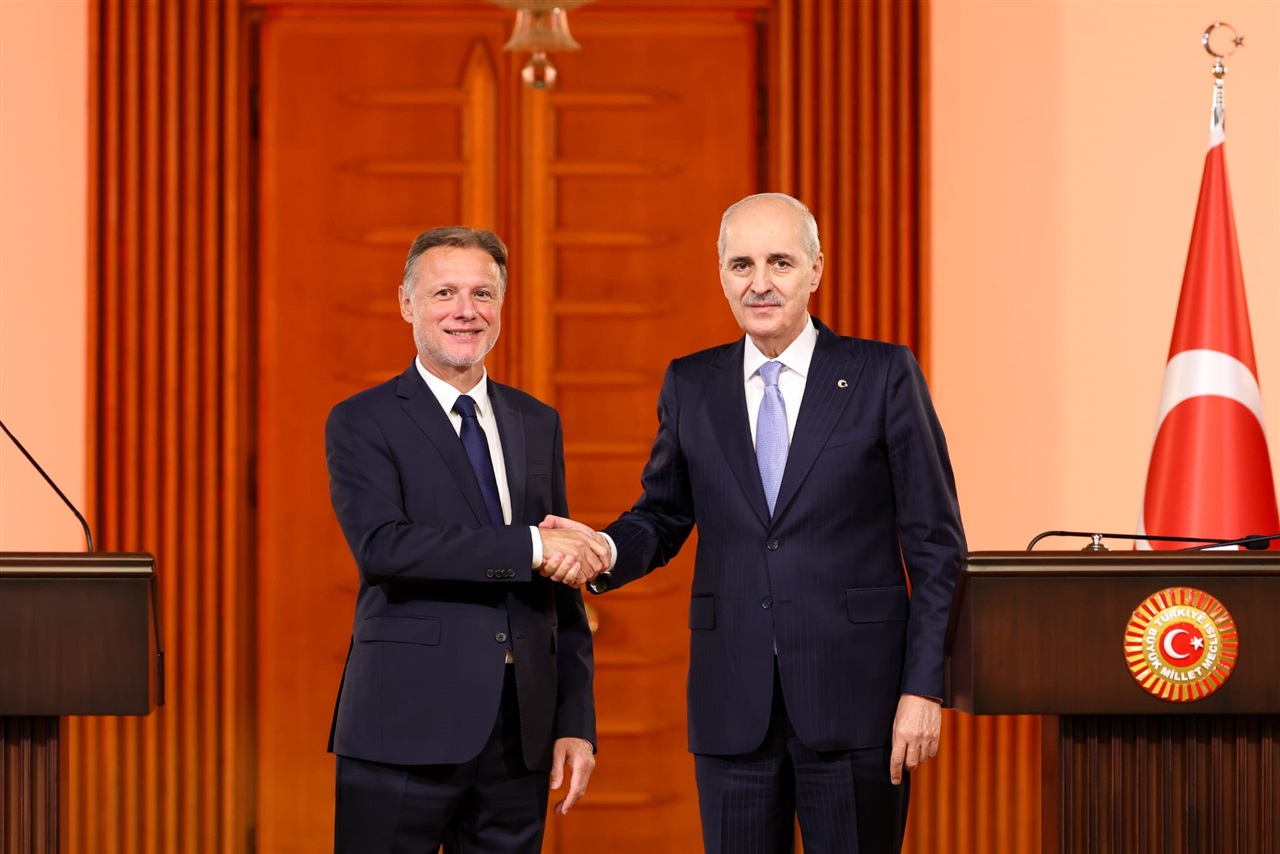
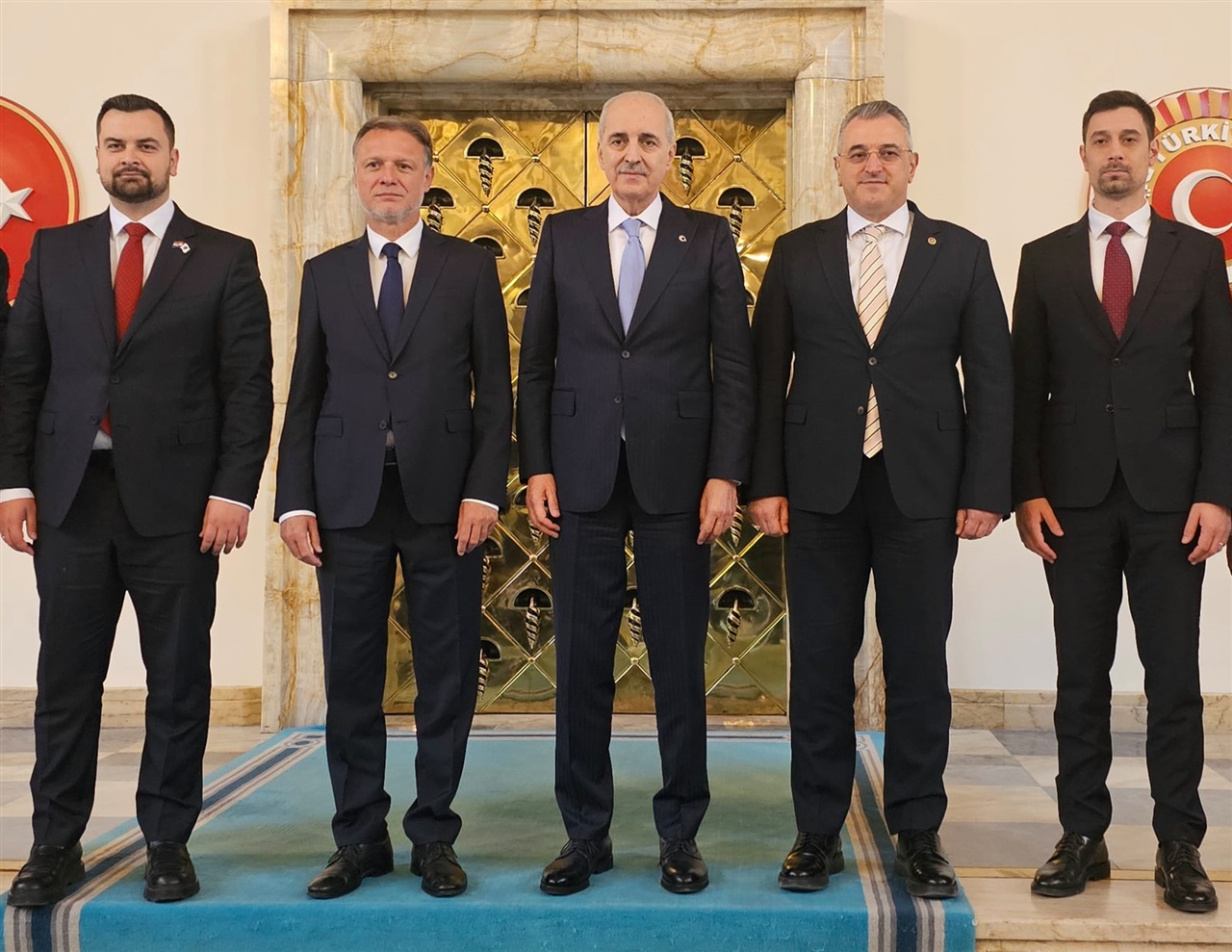
Zagreb - Trade between Croatia and Turkey increased by almost 40% last year compared with 2024, Croatian Parliament Speaker Gordan Jandroković said in Ankara on Thursday.
It now stands at $1.4 billion and covers an increasingly wide range of economic sectors, meaning it is likely to grow further in the future, he told reporters.
Jandroković arrived in Turkey today at the invitation of his counterpart Numan Kurtulmuş, with whom he met for the fourth time this year in what he described as "intensive high-level diplomatic engagement" between the two NATO members.
Turkish investors are active in Croatia in tourism, banking and energy. Jandroković singled out a Turkish company building a railway line and another that had acquired a business stake in the Pula-based Uljanik company.
He also noted that a Croatian drone company had signed a cooperation agreement with a Turkish company and that Croatian experts had received training in Turkey to integrate Bayraktar drones into Croatia's defence system.
Jandroković said that earlier this year Croatia had marked 110 years since recognising Islam as an equal religion alongside Catholicism and Orthodoxy. "We are very proud of this, and many say that Croatia is one of the best countries in the EU when it comes to the status and integration of people of the Islamic faith."
Speaking about EU enlargement in south-eastern Europe, Jandroković said the accession of countries located between Turkey and Croatia would reduce tensions and the risk of conflicts breaking out. "We want the area between our two countries to be a region of peace, stability and prosperity. This will also mean better flows of people and goods and help reduce tensions and the possibility of any conflicts."
Turkey's EU accession negotiations have been at a standstill for years since they were opened in 2005. The EU candidate countries in the region – Bosnia and Herzegovina, Serbia, Kosovo, Montenegro and North Macedonia – are at different stages of the accession process, with Montenegro the most advanced and potentially set to join the bloc in 2028.